
High-output vegetation management, precision GPS earthmoving, and heavy infrastructure prep built for Gippsland conditions.
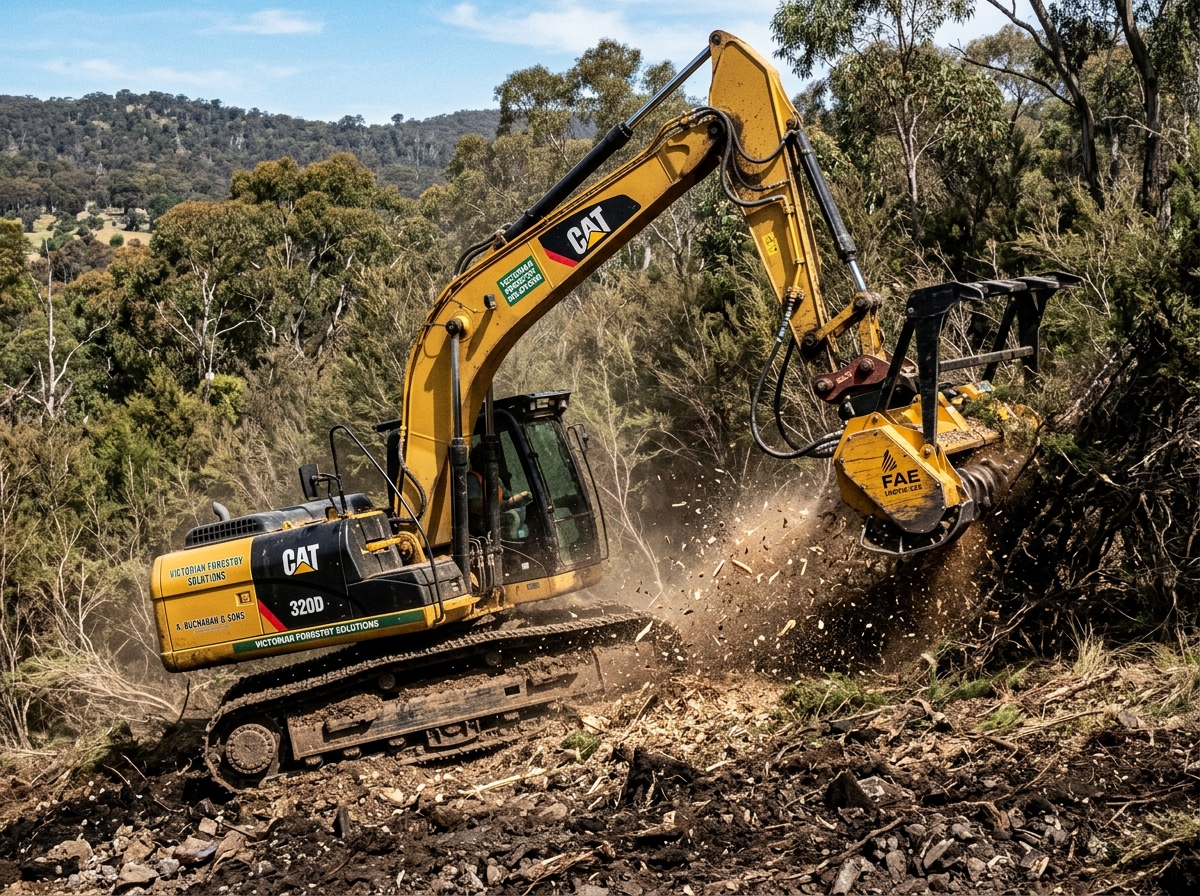
Paddock reclamation, invasive weed removal, deadwood clean-ups, and fence line clearing using heavy excavators with hydraulic grabs and rippers.
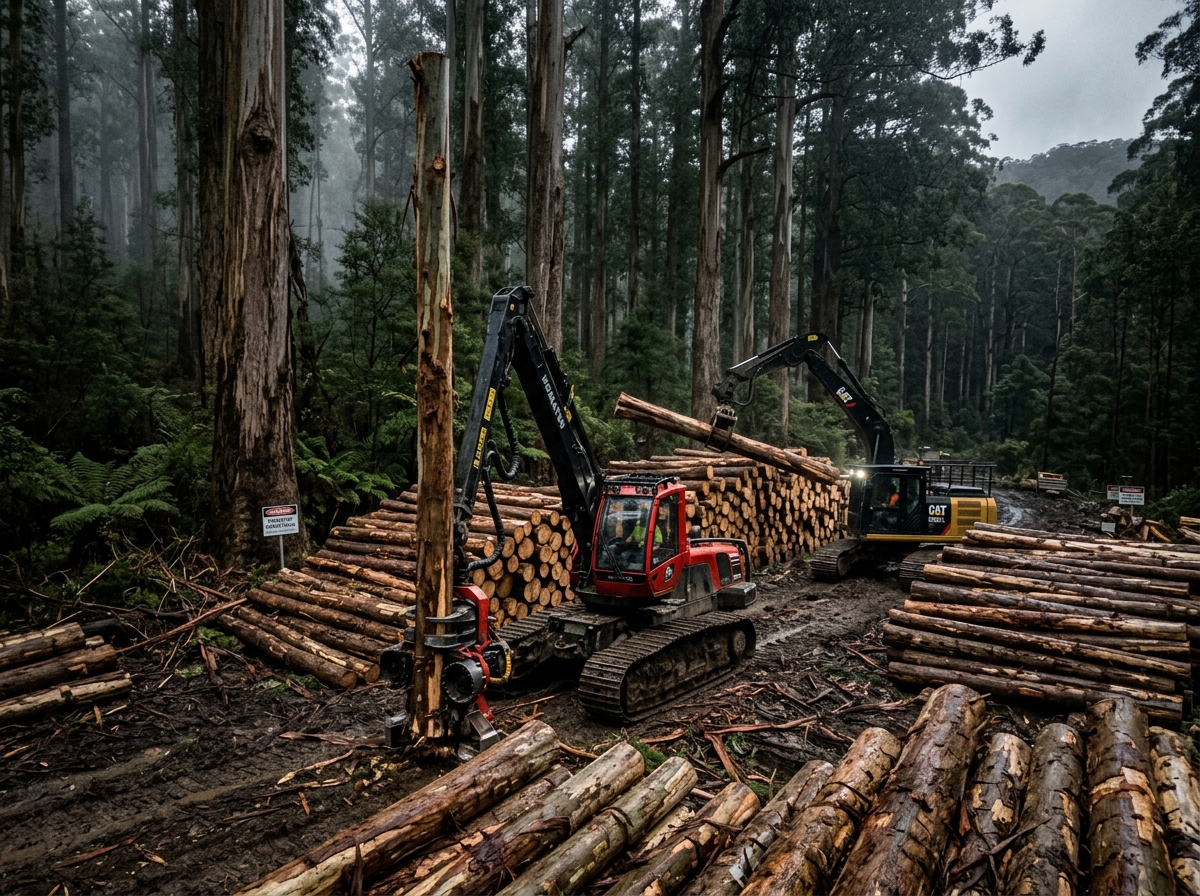
Direct in-situ mechanical grinding of standing timber, slash, and dense undergrowth into beneficial mulch. No burning permits or off-site cartage required.
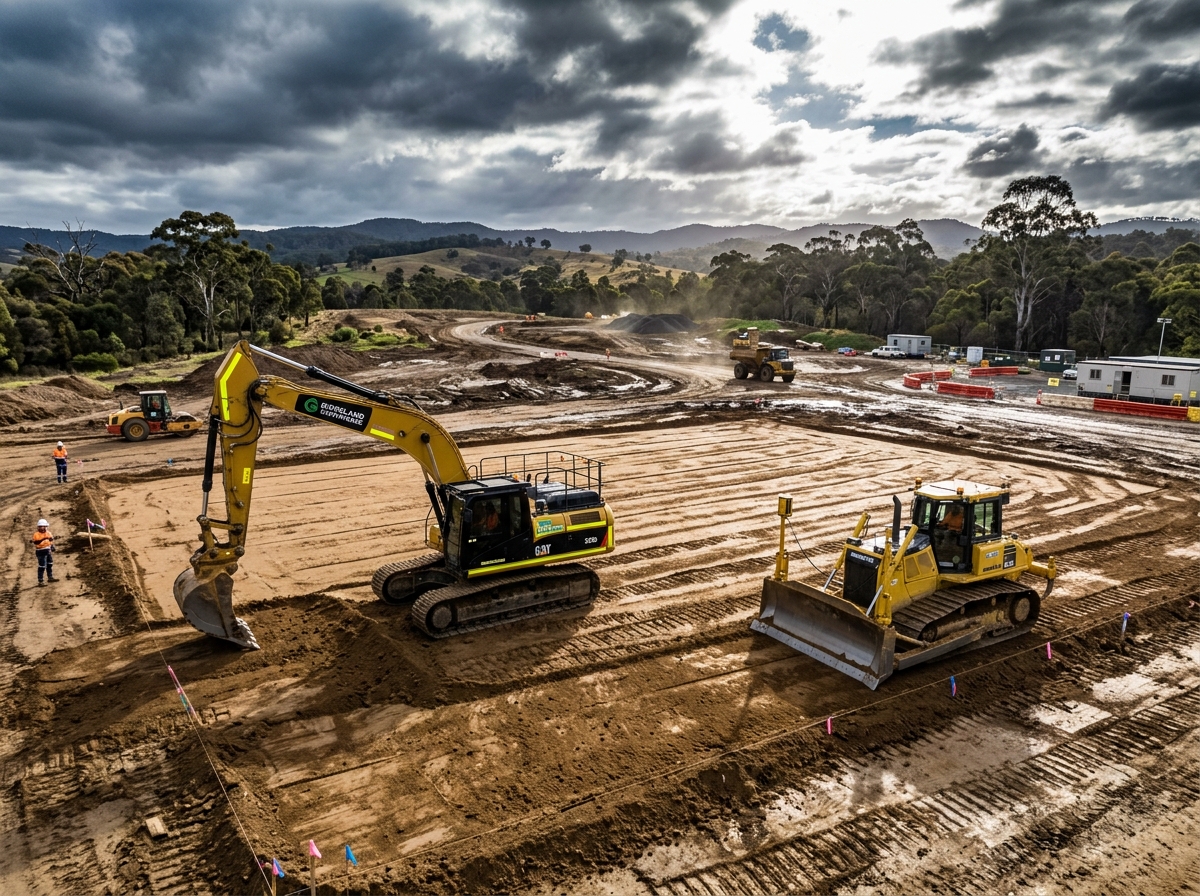
Mass material shifting, precision subgrade leveling, and civil excavations using Tier-1 30-tonne excavators with 3D GPS laser grading.
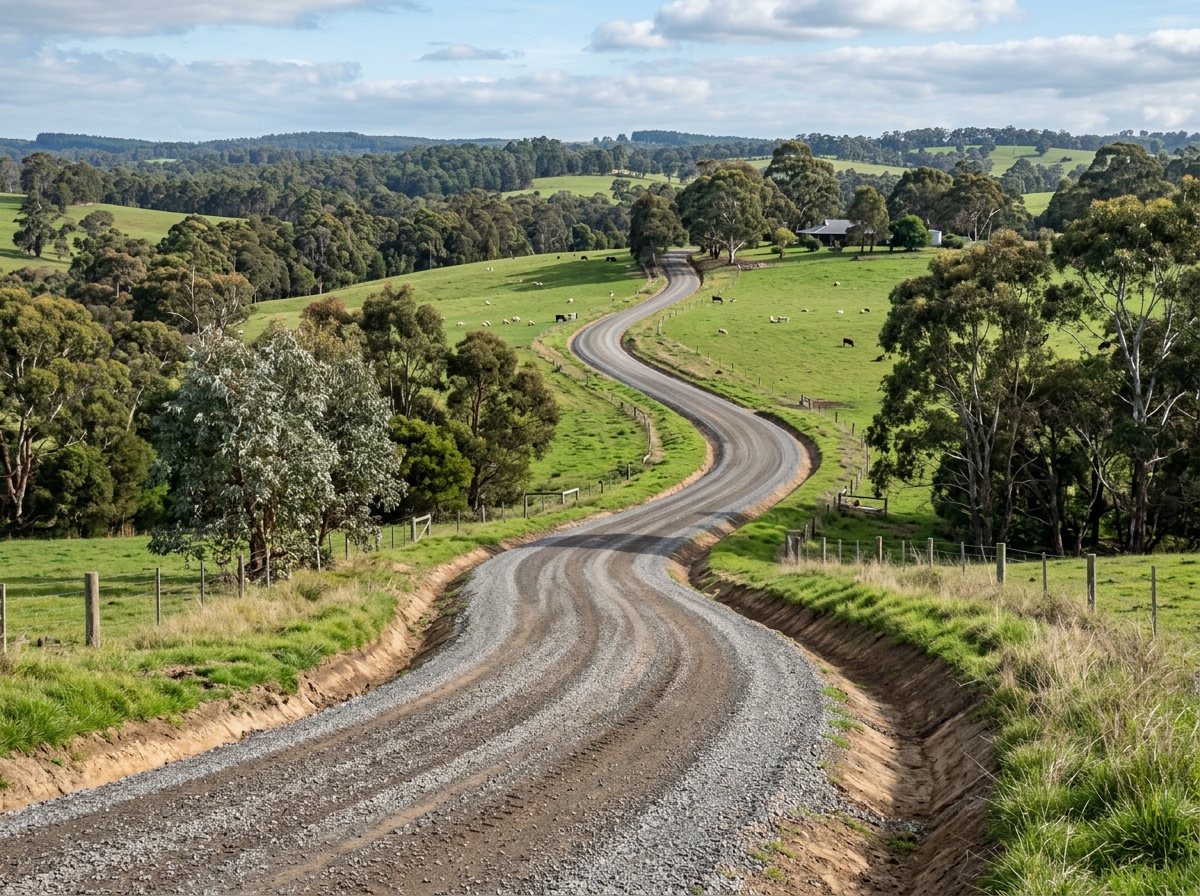
Engineered rural driveways and farm tracks designed to withstand heavy milk tankers, cattle trucks, and Victoria's wet winter conditions.
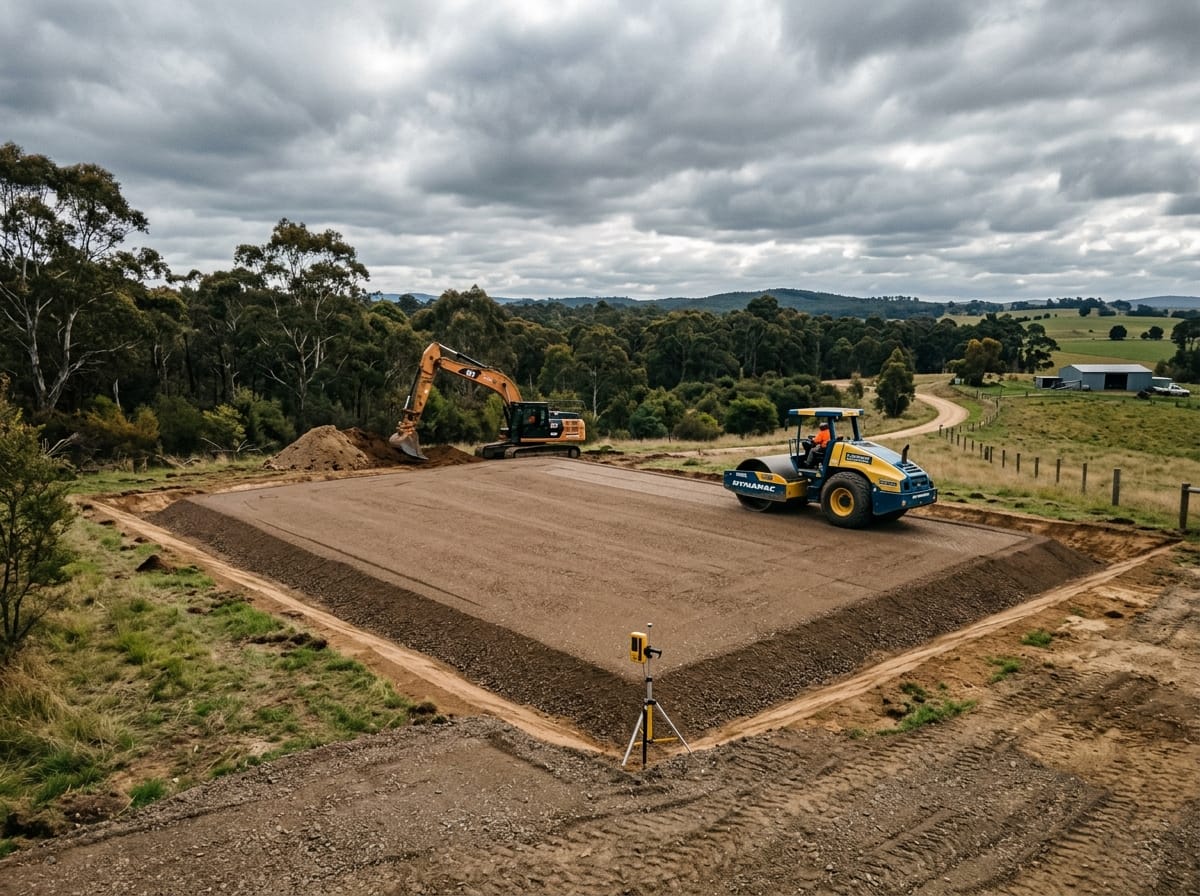
Laser-leveled building pads and bench cuts for rural sheds, house builds, and agricultural infrastructure with certified compaction.
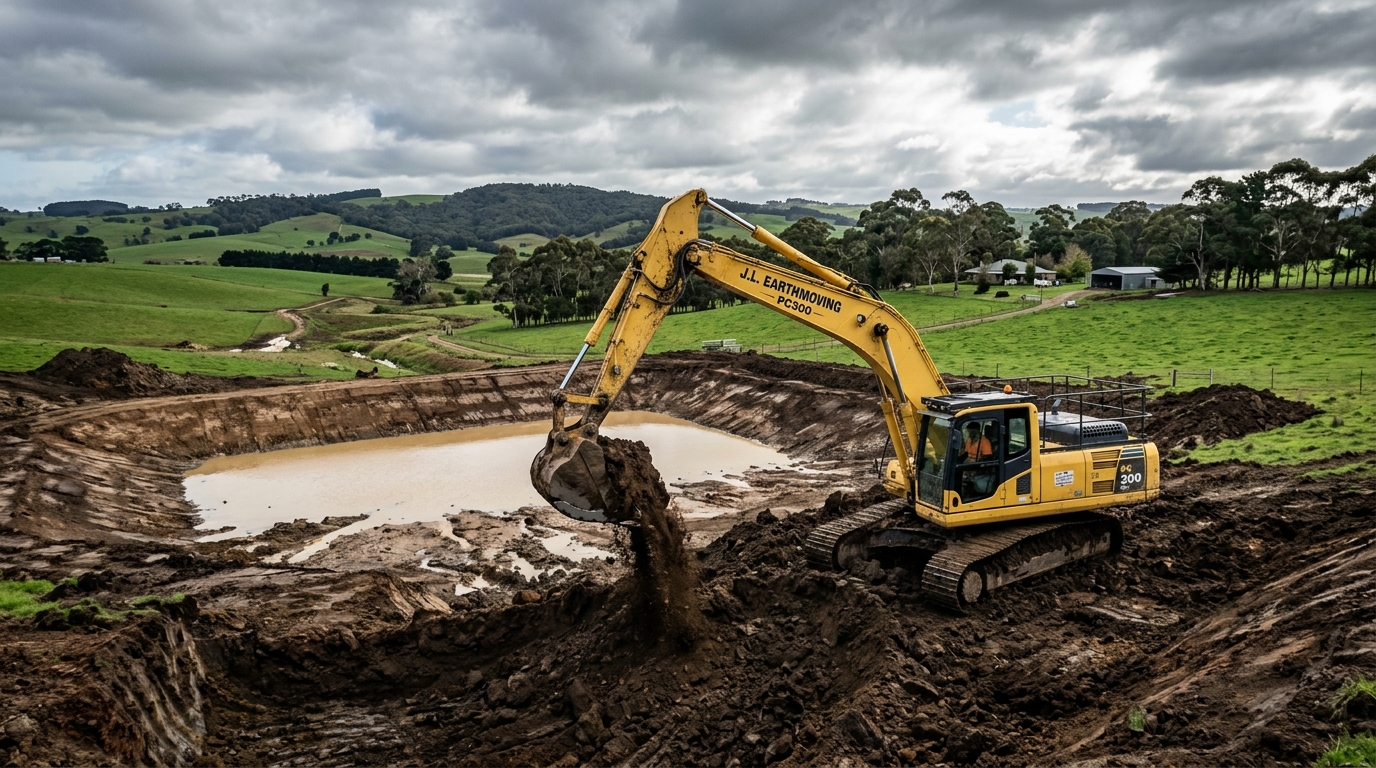
Keyline agricultural dams, gully storage, spillway engineering, and dam desilting to ensure long-term rural water security.
Clear answers on regulations, equipment capabilities, council permits, and project pricing across regional Victoria.
In Victoria, native vegetation removal is regulated under Clause 52.17 of local planning schemes. However, exemptions frequently apply for bushfire mitigation within 10 to 30 metres of existing dwellings (10/30 and 10/50 exemptions), maintenance of existing boundary fencelines, removal of declared environmental weeds (such as blackberry, gorse, and ragwort), and existing farm track upkeep.
We provide upfront site appraisals across Baw Baw, Latrobe, South Gippsland, and Wellington Shires to help property owners understand permit requirements before plant mobilization.
Traditional bulldozer clearing rips out roots, leaves large burn piles, and severely strips topsoil, exposing steep Gippsland hills to severe erosion and weed infestation. In contrast, forestry mulching uses a high-flow drum mulcher that shreds standing timber, woody scrub, and stumps flush with ground level in a single pass.
The resulting organic mulch creates a protective blanket that holds topsoil in place, prevents soil erosion, retains moisture, and completely eliminates the cost and fire hazards of burning or timber cartage.
Yes. Our fleet features steel and rubber-tracked excavators and low ground-pressure tracked loaders equipped with heavy-duty FOPS/ROPS protective cabs, positive air shutoffs, and high-torque mulching heads engineered specifically for steep Gippsland terrain, gully banks, and wet ground conditions where standard wheeled tractors cannot safely operate.
We provide transparent, fixed-scope project quotes as well as hourly and daily wet-hire rates with experienced, VOC-verified operators. For major rural, civil, and commercial projects, we conduct on-site inspections across Gippsland to assess slope, timber density, rock strata, and access before delivering a comprehensive scope with zero hidden fees.
We operate from strategic depots in Traralgon and Warragul, deploying across the Latrobe Valley, West Gippsland, South Gippsland, Wellington Shire, and East Gippsland. Common project areas include Warragul, Traralgon, Sale, Bairnsdale, Morwell, Leongatha, Moe, Wonthaggi, Drouin, Korumburra, Inverloch, Maffra, Heyfield, and surrounding farming districts.
Absolutely. All machinery is Tier-1 civil compliant with current daily plant pre-starts, rollover protection (ROPS/FOPS), emergency isolators, and UHF communications. Our operators hold Verification of Competency (VOC) tickets, White Cards, and $20M Public Liability Insurance, meeting all commercial, council, and rural safety standards.